

CAUTI Prevention in Simulation Training: Teaching Aseptic Foley Insertion and Maintenance Step-by-Step
CAUTI prevention during Foley catheterization depends on proper aseptic technique, sterile field management and correct catheter insertion and maintenance practices.
Key things to know:
- Why Foley catheter insertion is a common cause of catheter-associated urinary tract infections (CAUTIs)
- The importance of proper preparation and sterile technique before catheter insertion
- How to correctly establish and maintain a sterile field during the procedure
- Why proper cleansing of the urethral meatus is essential to prevent bacterial entry
- The correct step-by-step process for safe Foley catheter insertion and balloon inflation
- How improper catheter insertion can cause patient pain, urethral injury or infection
- The importance of securing the catheter and positioning the drainage bag properly
A Foley catheter insertion is one of the primary causes of catheter-associated urinary tract infections (CAUTIs), which are common healthcare-related infections that happen throughout the world. Urinary catheters, like the Foley catheter, increase the risk of CAUTIs because they provide a direct path for bacteria and microorganisms to potentially enter the bladder.
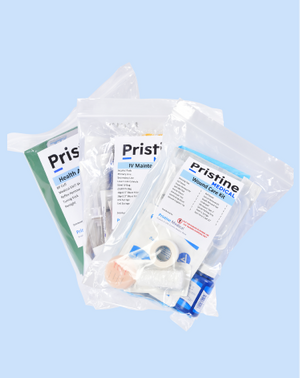
A patient with urination problems may need a Foley catheter inserted into their bladder to drain the urine from it. However, if the catheter is improperly maintained or inserted into the bladder, it can drastically increase the risk of an infection. That is why you need to teach your students about the best ways to prevent CAUTI through the use of simulation training. A standardized Foley catheter kit is a necessity to distribute to your students.
Below are the top five steps for teaching aseptic Foley insertion and maintenance.
1) Teach Students How to Prepare for the Catheter Insertion
Preparation is critical in preventing a CAUTI. You must teach your students how to properly prepare for an aseptic Foley catheter insertion so that they don’t have any questions or doubts about it on the job.
For instance, tell your students which supplies to gather and how to establish a sterile environment for the patient. Since it is a simulation laboratory, the students will get to work with a simulation manikin or a catheterization model of a bladder. Try to obtain a manikin or model for each gender.
But first, students must learn how to open the Foley catheter kit correctly so that they don’t accidentally contaminate any of the sterile supplies inside it. Some of the most critical preparation steps to go over with your students include:
- Keep your hands clean and hygienic.
- Verify the identity of the patient based on the doctor’s order for their catheterization.
- Explain the catheter insertion procedure to the patient to keep them calm about the entire process.
- Maintain privacy and discretion around the work area
- Position the patient on their back with legs apart
- Clean the perineal area between the thighs with soap and water
- Open the catheter kit carefully to avoid contamination
Students who follow all these preparatory steps will create a sterile field that minimizes pathogens and reduces the risk of infection.
2) Maintaining a Sterile Field
It is imperative for students to maintain the sterile field to prevent infection during the catheter insertion process. The sterile field is considered to be anywhere above the patient’s waist level as they lie on the operating table.
Therefore, each student should keep the sterile field within their visual range of sight and their hands above the patient’s waist level at all times. Anything below the waist level will risk contamination and infection. Each student must also wear sterile gloves before touching any of the sterile supplies within the kit or anywhere else.
Remind students to watch where they put their hands. It is easy for beginner students to make the mistake of reaching outside the field and inadvertently touching non-sterile surfaces.
Because of this, you should have your students repeatedly practice establishing and maintaining a sterile field within a simulated learning environment. It will give them a chance to practice correcting their mistakes and avoiding them in the future.
3) Sterile Cleansing of the Urethral Meatus
The urethral meatus is the urethral opening where urine leaves the bladder. In males, the urethral meatus is the area at the tip of the penis that expels urine. In females, it is the area between their vagina and clitoris.
Your students must learn to properly cleanse the urethral meatus of their male and female patients because it will prevent bacteria from entering their urinary tract during the Foley catheter insertion process.
For instance, cleaning the female urethral meatus involves separating the labia with the non-dominant hand and using sterile swabs to cleanse the opening from front to back with the dominant hand. Only perform one stroke with each swab to prevent transferring the bacteria somewhere else.
As for male patients, use the non-dominant hand to pull back or retract the foreskin at the tip of the penis if any exists. Swab the urethral meatus in a circular motion by starting from the center and moving upward. Return the foreskin to its original position.
4) Insert the Foley Catheter
Now comes the most critical part of CAUTI prevention. Instruct the students to apply a sterile lubricant solution to the tip of the catheter and connect the prefilled water syringe to the inflation port. Lubrication is vital to reduce the feeling of friction for the patient.

Your students can now proceed to gently insert the catheter into the urethral area of the simulation manikin. The insertion should continue until urine begins flowing out, at which point the student should insert it about 1 to 2 inches more to ensure the balloon is situated inside the bladder. Once that happens, students can proceed to inflate the balloon.
Next, your students should gently pull the catheter in an outward motion until they feel resistance, and then gently push inward just enough to take pressure away from the bladder neck area. Don’t have your students inflate the balloon too early because it may inflate within the urethra instead of the bladder. The result of which could be severe pain and possible damage to the urethra.
5) Secure and Maintain the Catheter
The catheter is now fully inserted. Have your students secure the catheter to the patient’s upper thigh area to prevent it from accidentally dislodging. A catheter stabilization device called a Statlock is recommended for securing it without using medical tape. Of course, if you prefer your students to use medical tape, they can still use it, but it won’t be as stable as Statlock.
Keep the drainage bag below the level of the bladder, but without touching the floor. Make sure there are no loops or twists in the tubing because you’ll want the urine to flow steadily without getting trapped.
Acquire Your Medical Supplies for CAUTI Prevention Simulation Training
Pristine Medical is the most trusted supplier of medical supplies for teaching CAUTI prevention through simulation training. You can find the very best Foley catheter kits, simulation manikins, models, and supplies for your school.
Frequently Asked Questions About CAUTI Prevention and Foley Catheter Simulation Training
1. What is CAUTI and why is it important to prevent during Foley catheter insertion?
CAUTI stands for catheter associated urinary tract infection. It occurs when bacteria enter the urinary tract through a catheter and reach the bladder. Because a Foley catheter creates a direct pathway into the bladder, strict aseptic technique during insertion and maintenance is essential to reduce the risk of infection.
2. Why is proper preparation important before inserting a Foley catheter?
3. What does maintaining a sterile field mean during catheter insertion training?
4. Why must the urethral meatus be cleaned carefully before inserting a Foley catheter?
Cleaning the urethral meatus removes bacteria that could enter the urinary tract during catheter insertion. Proper cleansing techniques help reduce the risk of infection by ensuring that microorganisms from the surrounding skin are not introduced into the bladder.
5. How can students confirm that the Foley catheter is correctly placed in the bladder?
Students know the catheter has reached the bladder when urine begins to flow through the tubing. At that point the catheter should be inserted slightly further before inflating the balloon to ensure the balloon expands safely inside the bladder rather than in the urethra.
6. Why is proper catheter positioning important after insertion?
Securing the catheter to the patient’s thigh and keeping the drainage bag below the bladder helps urine flow properly and prevents accidental dislodgement. Proper positioning also reduces the risk of infection and ensures the catheter continues functioning safely.