

What to Do After a Student Fails a Skills Check-Off: A Practical Remediation Plan for Educators
Failing a nursing or medical skills check-off can feel discouraging, but it does not mean the student is incapable of succeeding in clinical practice. With the right support, feedback, and simulation-based remediation, educators can help students identify their weak areas, rebuild confidence, and prepare for a successful retest.
Key points:
- Why failing a skills check-off should be treated as part of the learning process, not a career-ending setback
- The importance of reassuring students and reducing anxiety, self-doubt, and fear after failure
- How educators can analyze the core reason behind the failed check-off, such as test anxiety, poor technique, or difficulty applying theory to practice
- Why one-on-one communication helps students reflect on where they struggled and what they need to improve
- The role of targeted simulation training in helping students practice specific skills like wound care, Foley catheter insertion, or IV insertion
- Why realistic medical supplies and standardized kits are important for hands-on remediation practice
- How manikins and simulated patients create a more realistic clinical environment for rebuilding confidence and competency
- When educators should schedule a retake after the student has demonstrated improved skill, confidence, and readiness in simulation training
Nursing and medical students must demonstrate their theoretical knowledge and hands-on skills to prove they can perform well in real clinical settings. Every student goes through a skills check-off test, where educators observe their clinical performance skills in one or more specific areas of nursing or medicine.
Unfortunately, it is common for students to fail a skills check-off, despite all their hours of studying and practicing. Failing a skills check-off can trigger anxiety, depression, and self-doubt in some students. Nursing educators must handle this situation carefully by encouraging each failing student to try again with a new approach to developing their skills. If successful, those failing students can bounce back quickly and pass their next skills check-off.
A Practical Remediation Plan
Educators must first reassure students that failing a skills check-off is not the end of their nursing or medical careers. Instead, inform students that failing a check-off is merely part of the learning process and that many other failing students have eventually passed them. Tell the students that they failed because they are still developing their competency in their particular area of study.
From this point, educators must execute a practical remediation plan to help their students overcome whatever caused them to fail their skills check-off in the first place. Here are the steps involved in a practical remediation plan for educators:
1) Analyze the Core Problem with the Student
The first step of the remediation process is to learn and understand why the student failed their skills check-off test. Since students can fail these skills tests for several different reasons, you should never assume it is for one reason or another.
Educators should conduct a thorough analysis of the test results to understand the core problem or reason behind the student’s failure. Perhaps the student memorized the textbook information well but failed to demonstrate sound clinical judgment in a simulated clinical environment.
Many students run into this problem. They will spend much time developing their theoretical knowledge, but then struggle to transfer that knowledge into a hands-on application. It could be due to the pressure of the test itself. Some students get nervous when observed by their educators, which causes them to make mistakes out of anxiety.
2) Communicate with the Student
Have a meeting with the student to understand their perspective regarding their failing grade. As an educator, you could ask a question like, “Why do you believe you failed the test?” “Which area were you struggling in the most?”
It is important to communicate with the student and encourage them to do some self-reflection on why they failed. If you can understand the reason from their perspective, it can help you develop a strategy to help them overcome this problem the next time around
3) Create a Targeted Simulation Training Environment
Once you understand why the student failed, you can begin creating a simulation training program specifically targeting the skills that they need to improve. For instance, if the student failed to treat wounds or insert a Foley catheter or IV tube, you could create a simulation training session for wound care, Foley catheter insertion, or IV insertion.
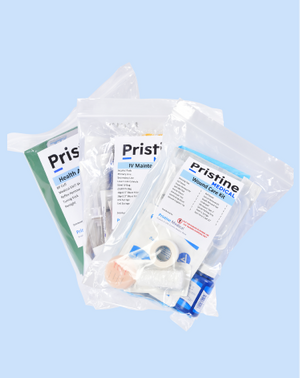
Setting up a simulation training session will require you to provide the proper simulated tools and supplies to your student, such as a standardized Foley catheter kit, if they are improving their Foley catheter insertion skills. On the other hand, if they are improving their wound care skills, you could provide them with a standardized wound care kit to help them train.
You must acquire realistic supplies for your student to use in their simulation training. That way, they can accurately demonstrate the same skills on their next skills check-off test. For now, your student needs to practice their skills repeatedly until they feel confident about them.
4) Offer Simulated Manikin and Patients
Students learn best from realistic simulation training. In addition to the simulated tools and supplies, students need to practice on realistic-looking patients to help them remember better in a real-life clinical environment.
A simulated manikin is a lifelike replica of a human patient. If it is a high-fidelity manikin, it will contain all the necessary simulated organs and body parts to resemble a real person. A low-fidelity manikin will contain fewer body parts and organs, but still offer the resemblance of a particular bodily area. Some manikins can even bleed if you add simulated blood to them.
Eventually, your student can graduate to practicing on simulated human patients. These are people who have undergone the necessary training to act and respond like a real patient. The simulated patients can help your student perfect their skills in the best way possible before they have to prove themselves on the test.
5) Schedule Another Skills Check-Off Test
Has your student received enough practice in your simulated training environment? If so, you can now schedule another skills check-off test for your student. Schedule the test in advance to give your student time to prepare for the test.
Your student should be able to walk into that test with complete confidence in their skill set. All the nervousness they felt the first time around should not be there this time.
Conclusion
Simulation training can help any student overcome their failing grade on a skills check-off test. All they need are the right tools and resources to conduct realistic clinical training practices and procedures to enhance their skills.
Pristine Medical offers high-quality simulation medical supplies to educators at medical and nursing schools. These supplies are nearly identical to what real nurses and doctors use in their real-life clinical environments every day. If your students practice using these tools, they will be able to improve their skills well by the time they get to their next skills check-off test.
Frequently Asked Questions About Helping Students Recover After Failing a Skills Check-Off
1. Why do nursing and medical students fail skills check-offs?
Students may fail skills check-offs because of test anxiety, limited hands-on practice, weak clinical judgment, or difficulty applying textbook knowledge in a simulated clinical setting. Educators should identify the exact cause before starting remediation.
2. How should educators support a student after a failed skills check-off?
3. Why is it important to discuss the failure with the student?
4. How can simulation training help students improve their clinical skills?
Simulation training gives students a safe place to practice the exact skills they need to improve, such as wound care, Foley catheter insertion, or IV insertion. Repeated practice helps build confidence, accuracy, and readiness for the next check-off.
5. Why are realistic supplies important during remediation?
Realistic supplies help students practice procedures in a way that closely matches real clinical settings. Using tools such as standardized catheter kits or wound care kits can make the training more practical and prepare students for future assessments.
6. When should a student retake a skills check-off test?
A student should retake the skills check-off after they have practiced enough to feel confident and demonstrate improved competency in a simulation environment. Scheduling the retest in advance also gives the student time to prepare properly.